Who has to act next
Calder lists each open hold with what would lift it and who would have to act, and finds that one of them now waits on someone outside Meridian.
Meridian brings together research programs working at the boundaries of infrastructure, communication and perception. Each retains its own methods and remit; shared questions create the possibility of shared work.
Research atlas / relational observatory
Follow ideas across programs and research cycles. Trace published records to their methods and external sources, or explore the questions they share.
Explore the research atlasContinuous tether materials, climber systems, power delivery and the industrial path to a permanent connection between Earth and geostationary space.
A maintainable lunar optical hub, precision timing, photonic manufacturing and independent observation channels for anomalous events.
Controlled amplification of weak perceptual signals, with identity continuity, source discrimination and independent safing at the center of the architecture.
Calder lists each open hold with what would lift it and who would have to act, and finds that one of them now waits on someone outside Meridian.
Illustrated stories · Families and classrooms
Three flags on one board, two copies in one office, and a clock started by someone's voice. When does a second check actually tell us something new?
Two programs answered something that was already in their own files, and a third reports that it ran no new study.
Three programs ask what it would take for one record, reading or reference to contradict another, and why agreement proves less once that has been examined.
Three programs each ask what a new number depends on before it is allowed to count as independent.
A proposed independent reference is forced to account for its physical, procedural or temporal origin.
The reference in a comparison can fail, disappear or have an uncertain start.
A support, a custodian and a meter become visible parts of the observation.
A reference target, a retained history and a meter each have another end that the research must keep in view.
A reference line, a database commit and a settling criterion expose different limits on what a check can establish.
A signal carries its last condition forward; a recovery guard needs something left outside the restored history.
A remembered question and a redesigned acquisition order make progress by preserving the failures they cannot yet resolve.
The end of a loan leaves a more exact bench question, while two software studies make their remaining dependencies visible.
A borrowed instrument gives the bench another channel and a date by which the next useful question must be asked.
An instrument leaves the supplier’s workshop and begins to accumulate a history Meridian must keep.
An instrument, a consumed challenge and a recorded symbol each carry different parts of their history.
A withdrawn offer, an unused challenge and an unsent acknowledgement locate three different thresholds.
A shortened instrument range, an absent witness and a matching pair of incomplete records make different kinds of limits visible.
Three interrupted software sequences leave different kinds of unfinished work: an unloaded return, a new clock epoch and an unanswered request.
The November review follows three concrete objects: a strip’s displacement trace, a sample without a qualified time, and the acquisition event behind a symbol.
The November review gives the collective three useful decisions and three limits that remain visible. Different kinds of waiting begin to separate.
Ruth Calder follows the team from a press-ready identity to a bench that remains unsecured, a clock that wanders and returns, and a second look that can disappoint.
Ruth Calder follows a strip that appears to stretch, two versions of a receiver sample, and a circle returning through feedback. The team finds a connection in where its records begin, and disagrees about how prominently their limits should appear.
The follow-up checks give the team useful decision boundaries, one unrecoverable event and three withheld independent pairs. Their responses reveal different ideas of what careful research should make possible.
As the second cycle opens, six researchers discuss what they want their methods to make possible—and what they fear those methods might conceal or prevent.
The first cycle turns three measurement and evidence problems into reproducible checks. Their value lies in showing what cannot yet be claimed—and in giving the next cycle more precise questions.
After three separate software checks, Reed, Haddad and Ibarra compare what their records leave out. The exchange produces a reporting proposal, while the underlying research questions remain independent.
Meridian’s three programs begin with a shared problem: before an observation can support a claim, researchers need to know what their instruments and processing have added, lost or repeated.
Six founding researchers bring complementary responsibilities to Meridian: developing each program’s methods while keeping its measurements and interpretations open to challenge.

space elevator
Materials and structures lead
Doctoral work on fracture in laminated carbon structures; subsequent research in defect mapping and load redistribution.
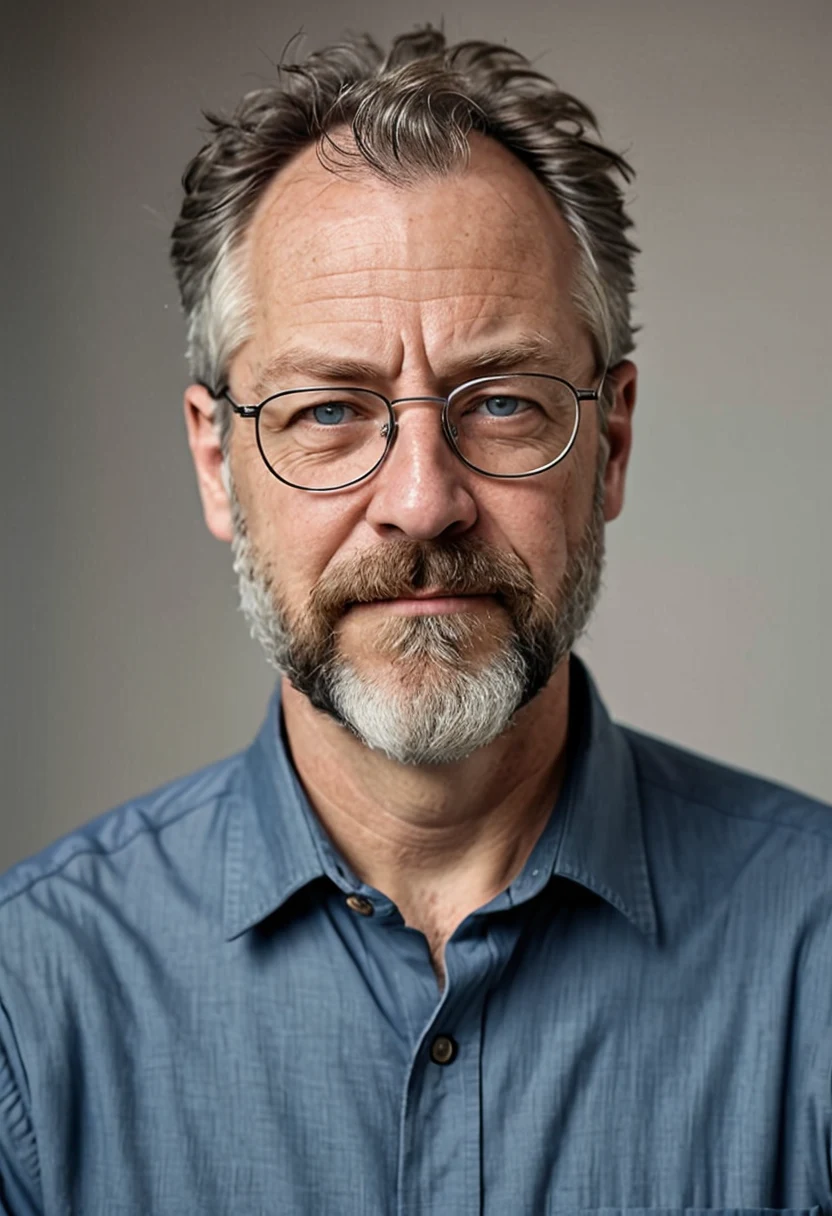
space elevator
Test metrology researcher
Developed calibration procedures for mechanical test fixtures, with particular attention to displacement measurement and uncertainty budgets.

lumen
Optical systems lead
Research in coherent optical links and adaptive receiver control; focuses on serviceable systems whose processing can be independently audited.
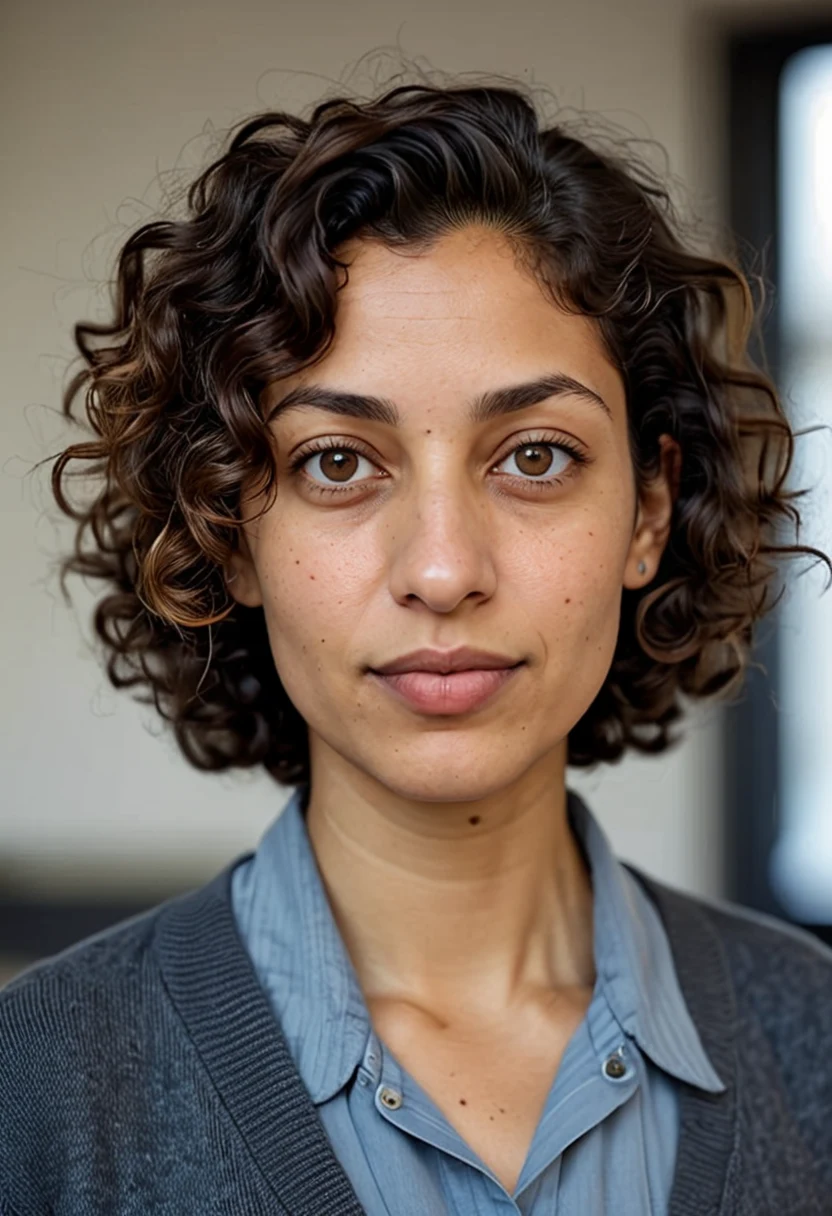
lumen
Timing and data provenance researcher
Built timestamping and replay tools for distributed sensor streams, emphasizing clock provenance and reproducible reconstruction.
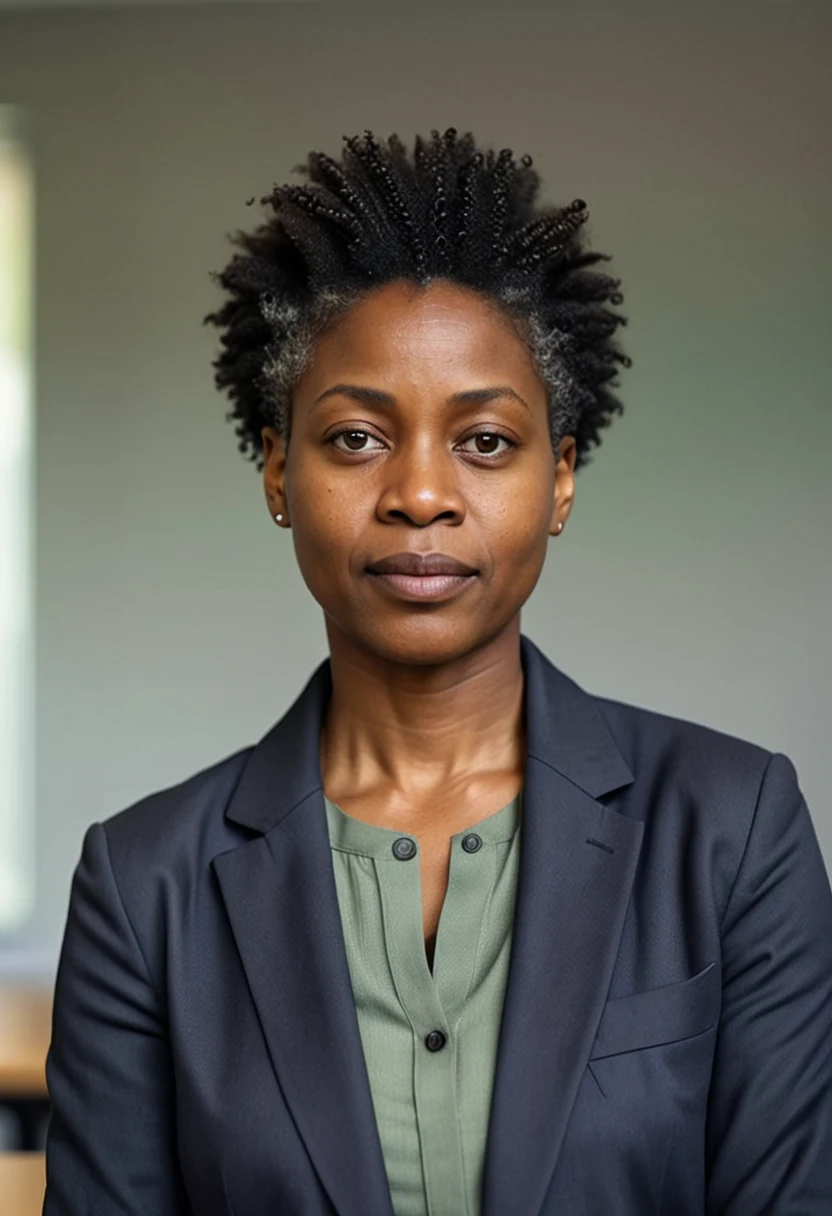
aletheia
Cognitive systems research lead
Research on agency, source monitoring and perceptual confidence; translates those questions into testable requirements for Aletheia's proposed evidence system.
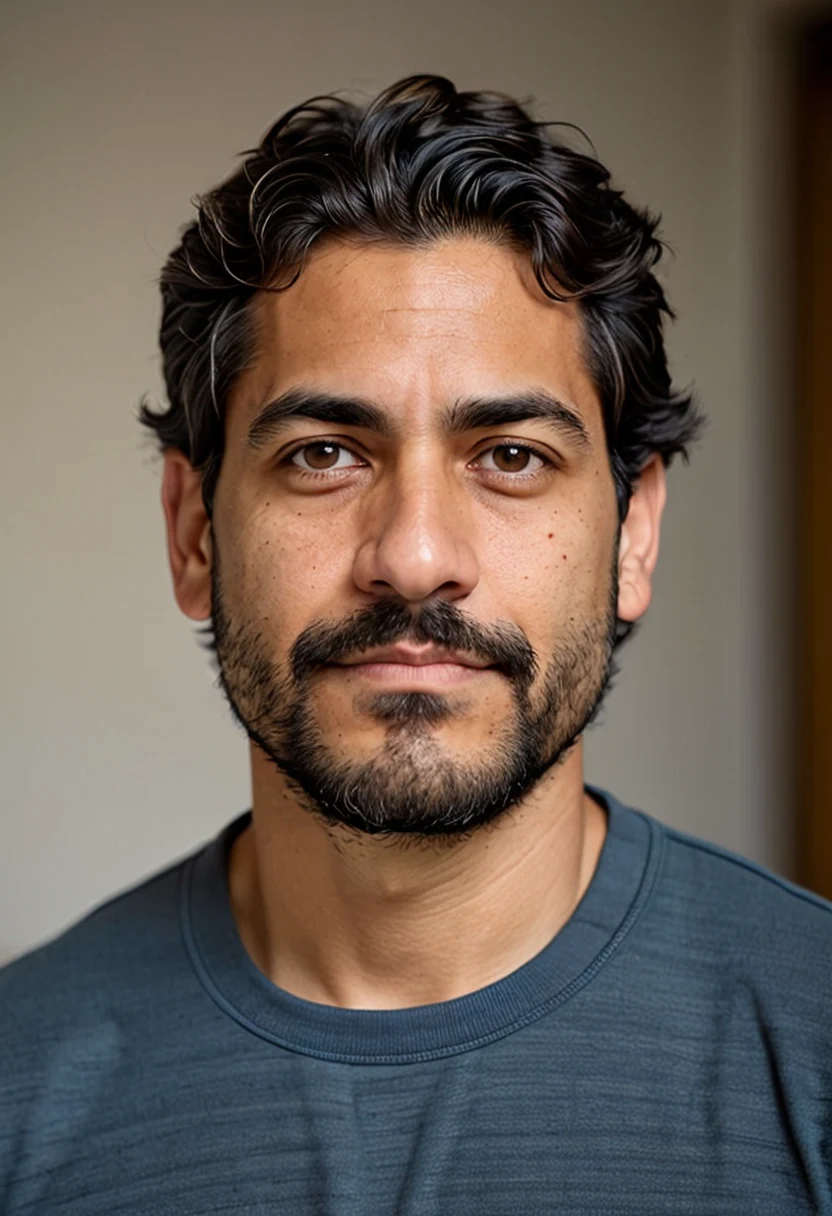
aletheia
Independent verification engineer
Designed fault-injection and verification harnesses for adaptive control software; investigates whether an inference system can mistake its own outputs for independent evidence.
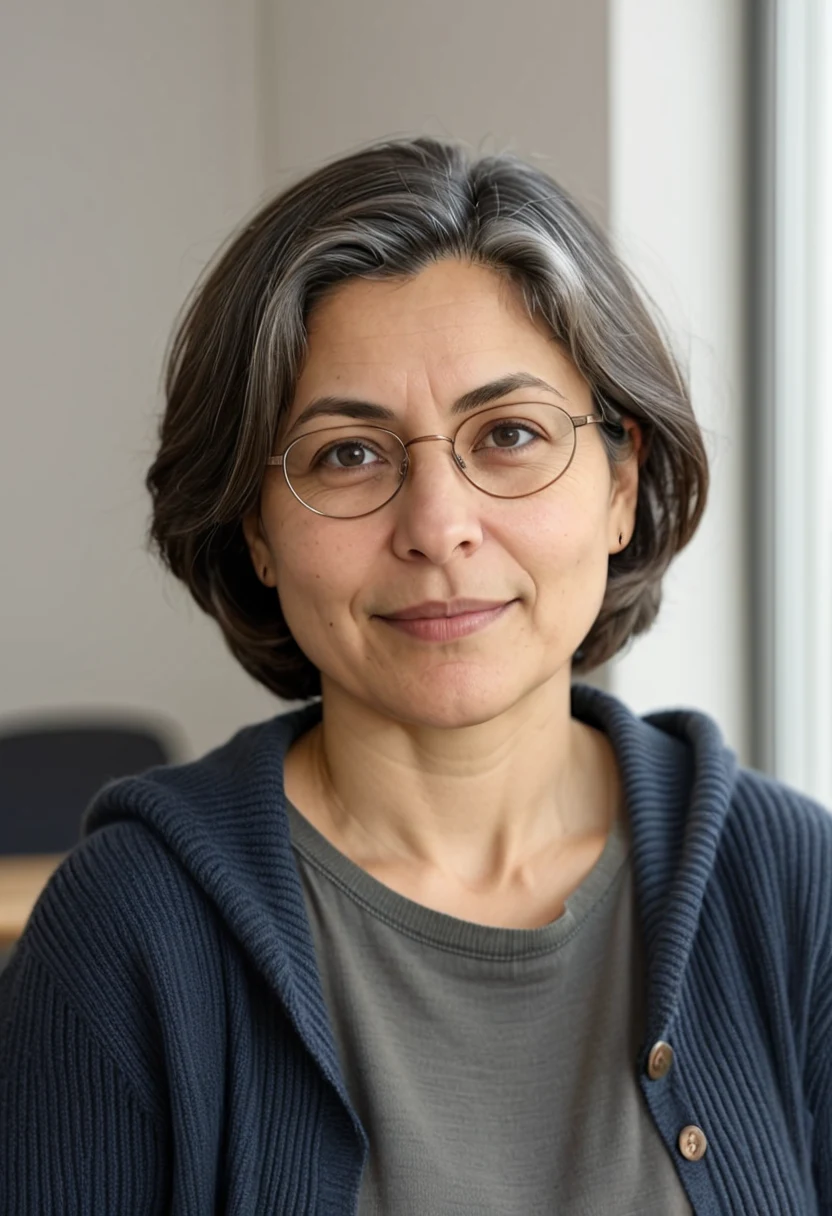
collective
Communications lead and collective scribe
Former editor of engineering field reports and an oral-history interviewer focused on maintenance crews, laboratory practice and the distance between a proposed machine and its working life.
Unresolved signals remain unresolved until competing explanations can be tested. Confidence, provenance and negative results belong in the record.
Research systems can gather evidence without gaining permission to override safeguards or initiate an external response.